Orange =/= Amphora =/= Natural
Words mean things—even wine words.

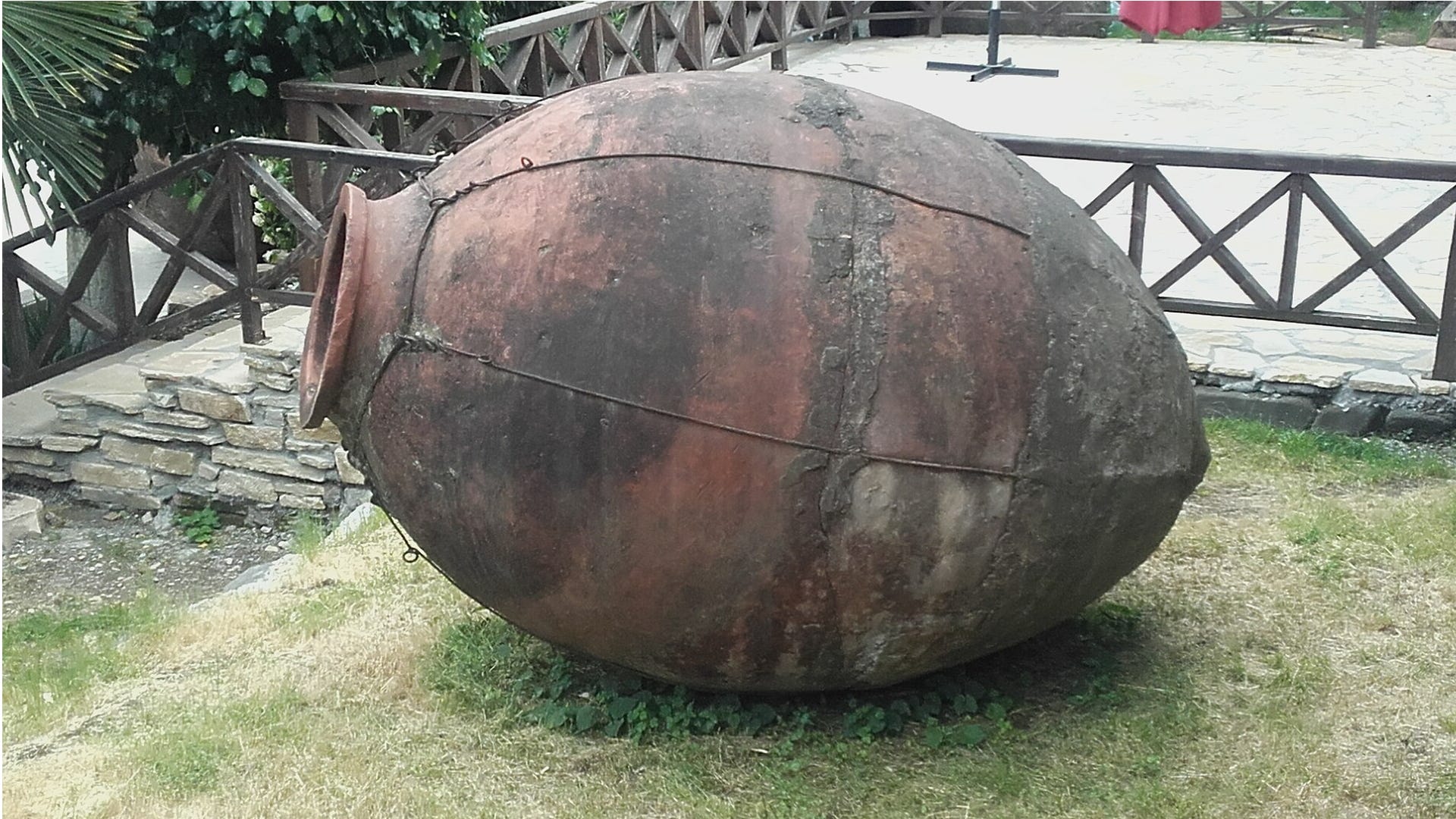

I get that wine can get kind of arcane. For an alcoholic drink made from fermented grape juice, there’s an incredible amount of nuance: differences in grape varieties, vineyard site selection, regional specialties, winemaking techniques… the list goes on. I think much of this stuff can be useful: wine knowledge can give you a language to talk about a cool sensory experience, to share that experience with others; it can help you understand and pinpoint products you like so you have a better shot of finding others you like in the future. But it’s not necessary. At the end of the day, wine’s there to enjoy. Drinking something you like is the most important thing. De gustibus non est disputandum, as they say.
That said, in wine, what I find really funny are people who have strong opinions about the quality of two different adjacent half-meter plots in Burgundy yet who can’t differentiate orange from natural wine.
I’m an occasional participant on the Wine Berserkers forum, which, while an impressive resource, has perhaps more than its fair share of these sorts of people. Recently, someone posted the following on a thread there about orange wine:

Which I found to be a delightful display of brazen ignorance, the winespeak equivalent of a post on r/holdmybeer. “Natural/orange/faulty” would also, I think, be a great band name for some kind of crustpunk / math rock hybrid group. But, alas, this isn’t the first time I’ve seen stuff like this, which is why I decided to write this post—in case you, dear reader, aren’t yourself sure of the difference, but, unlike our friend above, actually care to find out.
Orange Wine
We live in a world where we use color to categorize styles of winemaking. Even if you know nothing else about wine, you probably know there’s “red” and “white” wine and have likely heard of “rosé.” Orange wine (sometimes also called “amber wine”), despite being comparatively rarer these days than those types, shares their order of classification.
Separate from these wine colors, we broadly group the grapes we use for winemaking into two colors: black and white. This is a significant simplification—a “black” grape can be anything from pink to ruby-red to violet to blue to purple to closer to true black, and a “white” grape is usually closer to green but can also be yellow, gray, orange, or pink—but it’s useful as a rough grouping.
The skins of grapes are usually where all of the color in a final wine comes from. With a couple of notable exceptions, the pulps of black and white grapes alike are fully clear. If you’re careful enough about minimizing how much you damage the skins in the process of getting the pulp out, you can make a “white” wine out of black grapes, which is how many sparkling wines are made—two of the three traditional grapes used to make Champagne are pinot noir and meunier, both black grapes. And so once you get into the winery, whether you let the skins sit in contact with the juice or not has a major effect on the color.
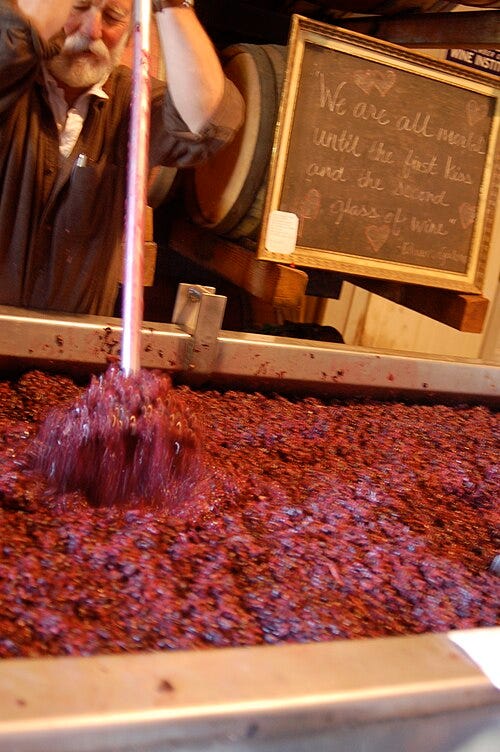

So we have two groupings: black and white grapes, on the one hand, and whether you allow or prevent extensive maceration of grape skins on the other.
A “red” wine refers to a wine made from black grapes where the juice has been intentionally allowed to macerate on the grape skins for an extended period of time, which lets the colors from the skins to get into the juice, making the wine a dark color. A “white” wine is the opposite on both fronts: a white grape where that maceration step is either completely avoided or significantly minimized, which keeps the wine closer to clear or yellow-colored.
We know now that those two parts—the grape color and the extent of maceration—aren’t tied to each other, so what happens when we take black grapes but limit skin maceration? That’s a “rosé” wine. Because the skins only have a limited amount of time to leach color into the juice, the wine comes out pink, rather than dark.
Three styles of wine: red, rosé (or pink), and white. But we have two sets of two parameters, which means we should have a grid with four options. We’ve accounted for black grape with extended maceration (red), black grape with limited maceration (rosé), and white grape with limited maceration (white). What about white grape with extended maceration?
That’s orange wine.
Here’s a hastily-assembled graph for easy reference:
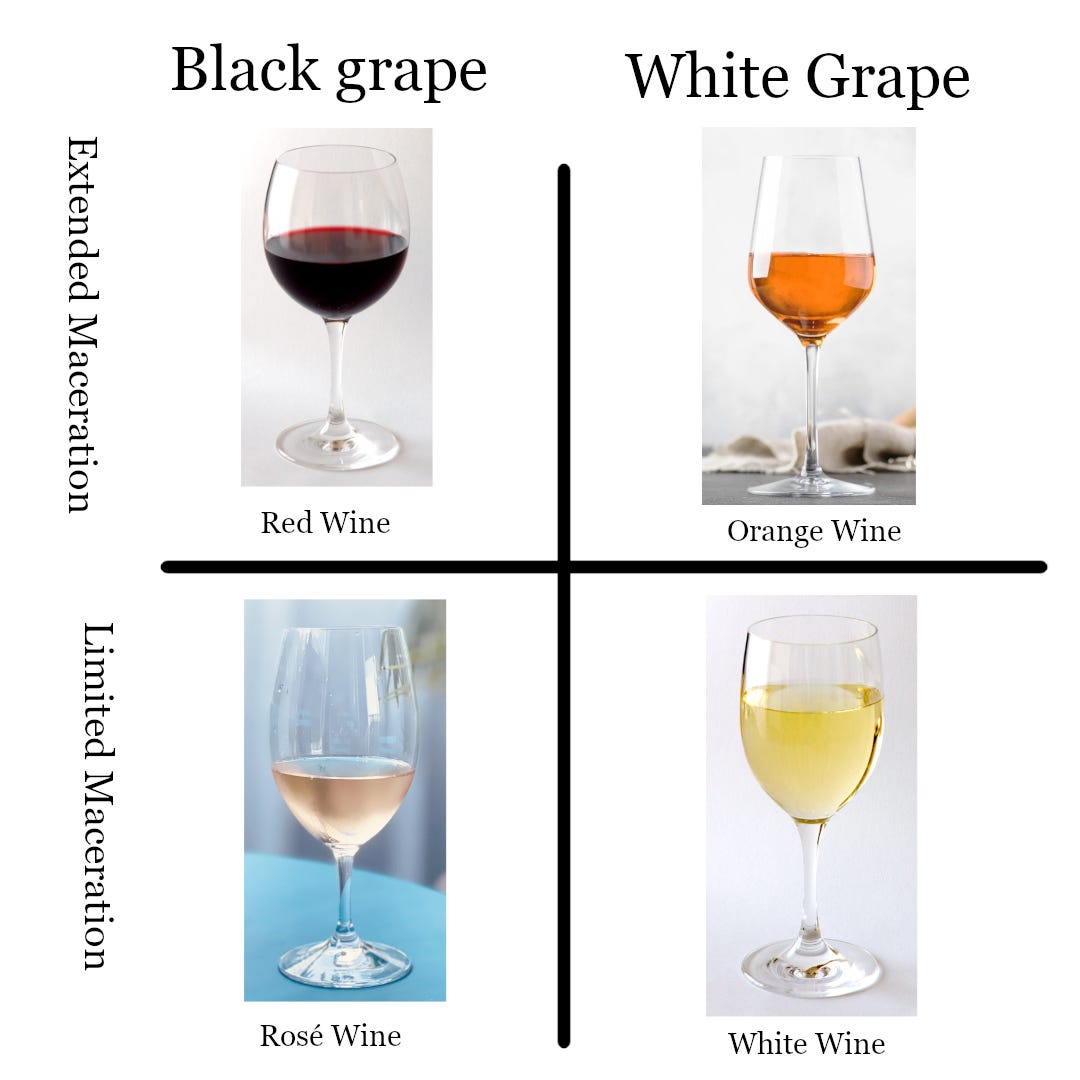
Absolutely nothing else is required for a wine to be orange than this. You can make or mature your wine in whatever vessel you like; you can use or not use whatever chemicals; you can practice whatever style of agriculture to grow your grapes; the list goes on. As long as you are using white grapes and are allowing extended skin maceration, you have an orange wine.
Qvevri (Amphora) Wine
Today, we tend to ferment and mature wine in one of two ways: either by putting it in a wood barrel, or by putting it in an “inert vessel,” which usually means a stainless steel tank (but can sometimes also refer to something made out of concrete, my favorite of these personally being the “concrete egg.”) But wine is an incredibly old product, possibly older than agriculture itself. Over the thousands of years human beings have been making and drinking wine, we’ve made and kept it in a ton of different materials: animal skins, glass, plastic, and, notably, clay.
Even among the many old ways we’ve made and held onto wine, earthenware, especially clay earthenware, is one of the oldest. If you’ve ever seen the Disney movie Hercules, you’ve seen a clay wine vessel—the movie’s intro starts on the side of one. Egg-shaped clay vessels, also called “amphora,” have been found in Bronze Age shipwrecks, in ancient Egyptian tombs, and in Chinese ruin sites. It’s no surprise that even today many places around the world still make wine using clay vessels. The Alentejo region in Portugal does, and even now celebrate a yearly “amphora day”; it’s common in parts of Slovenia and in Carso, the little strip of Italy that’s surrounded by Slovenia and is home to the port of Trieste; and winemakers all over the world, from Bandol to Barossa, are trying it out. But perhaps nowhere is more closely associated with amphora winemaking than the Republic of Georgia.
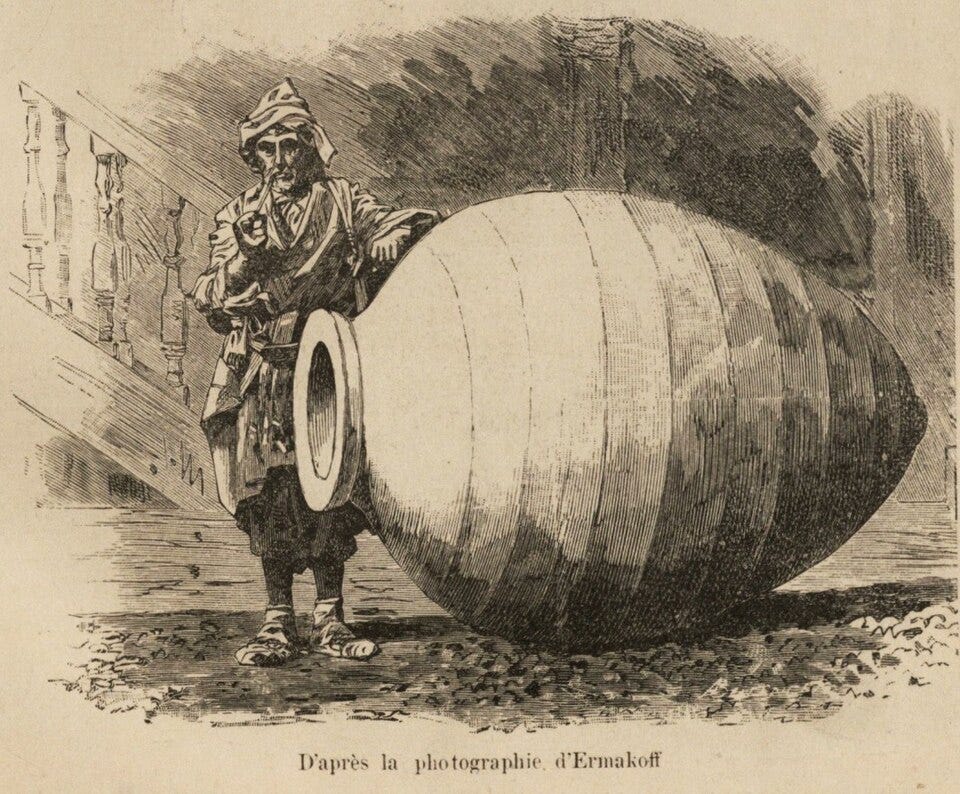
Georgia is one of the oldest winemaking cultures on Earth, and their signature style involves making wine in amphora, called qvevri (pronounced ka-vev-ri, the first syllable the same as in the word kvetch) in eastern Georgia and churi in the west. Qvevri are often buried up to their necks in the ground, filled with crushed grapes (including juices, skins, stems, and the like), sealed, and left to ferment, sometimes for months. As Lisa Granik points out in The Wines of Georgia (pp. 61-63), wines made in qvevri tend to have a couple distinctive characteristics. They have a bit more perceptible volatile acidity (think acetone), a bit less total acidity, quite a lot more phenolic character but lower astringency, and sometimes a mineral character (from the clay contact with vessels fired at lower temperatures, less so in ones fired at higher temperatures) relative to an equivalent wine made in an inert vessel.
.jpg)
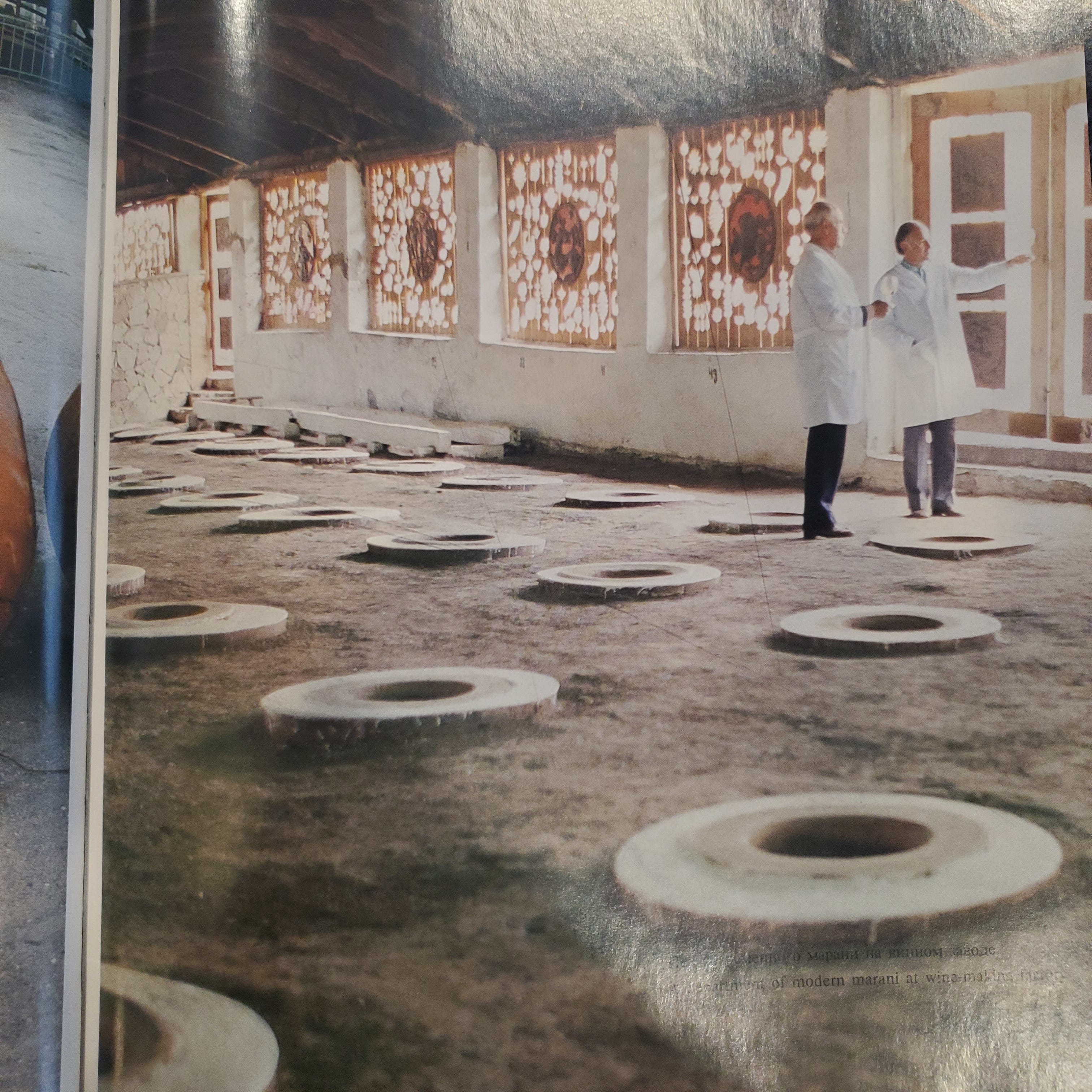
If we think up to the graph I made above, we have extended skin maceration—and so we have orange wines. But there’s nothing saying that you can only use white grapes when making wine in amphora. You can put crushed black grapes in a qvevri and you’ll get a red wine. And the clay vessel is completely agnostic to whatever else you want to do to the grapes in the vineyard or to the wine before or after it goes in. Pumping in sulfur to use as an antioxidant and antiseptic can be hard in amphora wine production because of the way they tend to be sealed, but even that’s not strictly impossible. In Soviet Georgia—absolutely no stranger to industrial scales and standards of production, including the usage of sprays, additives, filtration, and whatever else—there were qvevri in the “wine factories”:
Natural Wine
This is perhaps the trickiest of the three terms I’ve discussed here to define, because “natural wine” can mean a lot of different things to different people. This Substack post by Steven Graf goes into some of the complexities of the term and is worth a read (even though I disagree with his conclusions.) The description I’m going to give here is very basic. There’s a ton of good content here on Substack that goes into all of it better than I’m able to; there are some great ones in my Recommendations if you want to learn more.
In very short, “natural wine” refers to a broad style of winemaking that involves some combination of the following: (a) does not use pesticides or other sprays on grapes in the vineyard, (b) uses few to no additives during fermentation, maturation, or bottling (such as adding sugar during fermentation to increase potential alcohol, adding tartaric acid to balance low acid from grapes, or sulfur as an antioxidant or antiseptic), (c) only allows spontaneous fermentations with ambient yeast, not using any cultivated yeast nor doing anything to encourage or inhibit fermentation, (d) the final wine is not fined or filtered in any way before bottling.
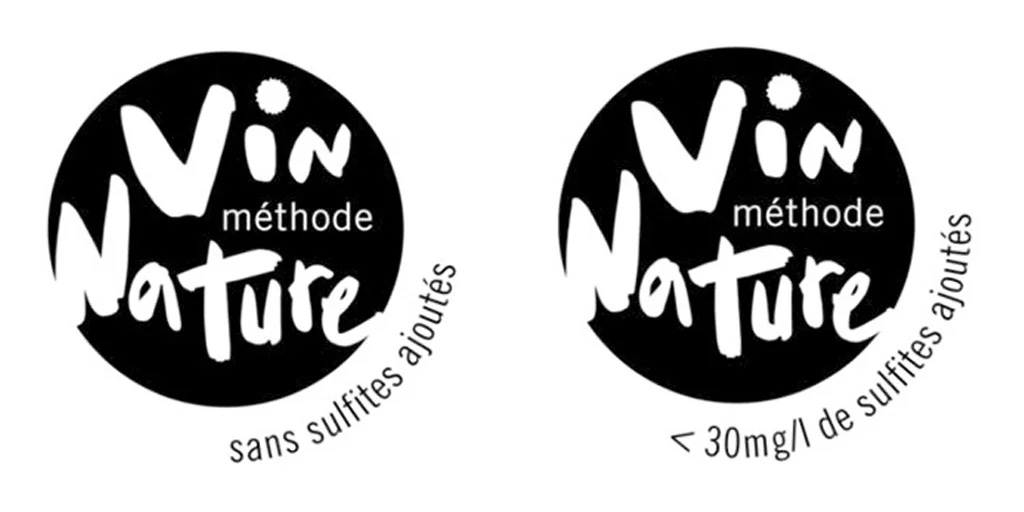
As of this month Georgia is considering codifying a definition of natural wine into law, and in France, there has been a classification called “vin méthode nature,” or “natural method wine,” available to winemakers since 2020. It requires hand-harvesting of grapes from organic vines, restrictions on certain winemaking techniques (some listed include cross-flow filtration, flash pasteurization, thermovinification, and reverse osmosis) and two different options for limitations on sulfites.
But there’s some aesthetic component here as well. Alice Feiring, in her 2019 book Natural Wine for the People, defines natural wine first and foremost as “wine without crap in it.” In the spirit of natural wine, if not in the letter, there’s a sense of resistance towards corporate production, an interest in lesser-known or “lost” grape varieties, and unusual or perceptually “traditional” methods of production (including, for example, amphora).
There’s also interest in less mainstream styles of wine, including ones with sediment in bottle; sparkling wines made by the so-called “ancestral method” where carbonation is achieved by bottling the wine in the middle of fermentation rather than through the secondary fermentation of a base wine, aka “pétillant naturel” or “pet-nat” wine; extended skin contact white wines (orange wines), and low-tannin, easy-drinking red wines, aka “glou-glou” wines, of the sort George Nordahl talks about in this post.
What natural wine is not, however, is universally faulty wine. Contrary to the opinions of our friend up above, even though natural wine’s winemaking process does run more risks of certain faults cropping up under certain conditions, nothing about natural wine involves interpreting faults as features. A bad wine is a bad wine no matter how you go about making it, and as the experience of rampant premature oxidation in white Burgundy in the 1980s and 1990s makes abundantly clear, conventionally made wine is perfectly susceptible to faults.
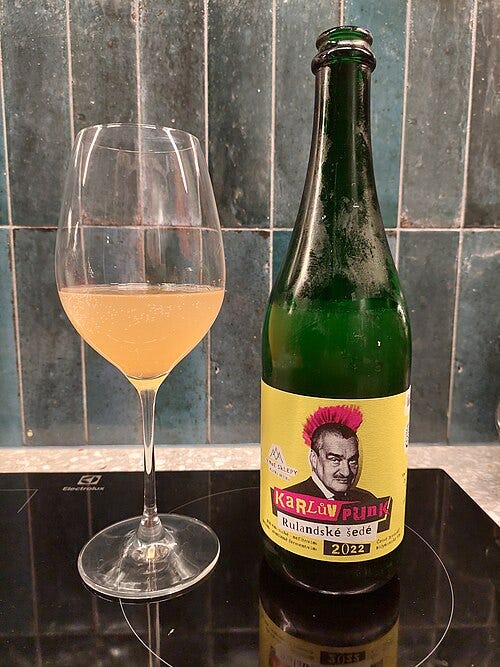

But I hope by this point it makes sense that whatever natural wine’s exact parameters, those parameters do not make all of it orange, nor entail all of it being made in amphora. An orange wine can be made conventionally and be made and matured in stainless steel. An amphora or qvevri wine can be red and conventionally made. A natural wine can be happily made in whatever color and in oak.
Terms aren’t always perfect—trust me, I’m a scholar of literature, I know how messy terminology can be—but words do have meanings. If we care about wine, we might as well care about its language too.